Researching Wealth Management Advisors
Finding a wealth management advisor specializing in ESG and impact investing can be crucial for aligning your financial goals with your values. These advisors can help you make investment decisions that not only provide financial returns but also have a positive impact on society and the environment.
Key Factors to Consider
- Expertise: Look for advisors with a strong background in ESG and impact investing to ensure they have the necessary knowledge and experience in this specialized area.
- Track Record: Consider the advisor's track record of successfully managing ESG and impact investment portfolios and delivering results that align with your values.
- Approach: Understand the advisor's approach to ESG and impact investing, including how they incorporate environmental, social, and governance factors into their investment strategies.
- Alignment: Ensure that the advisor's values and investment philosophy align with your own to establish a strong partnership built on shared goals.
- Communication: Evaluate the advisor's communication style and frequency to ensure they keep you informed and involved in the decision-making process.
Benefits of Working with a Specialized Advisor
- Expertise: Specialized advisors can provide in-depth knowledge and insights into ESG and impact investing, helping you navigate this complex and rapidly evolving field.
- Customization: By working with a specialized advisor, you can tailor your investment strategy to reflect your values and goals, creating a personalized approach to wealth management.
- Impact: Investing in companies that prioritize ESG factors can not only generate financial returns but also drive positive change in areas such as sustainability, social responsibility, and corporate governance.
- Peace of Mind: Knowing that your investments are aligned with your values can provide a sense of fulfillment and peace of mind, enhancing your overall financial well-being.
- Performance: Studies have shown that companies with strong ESG practices tend to outperform their counterparts over the long term, indicating that ESG and impact investing can be financially rewarding as well.
Understanding ESG and Impact Investing

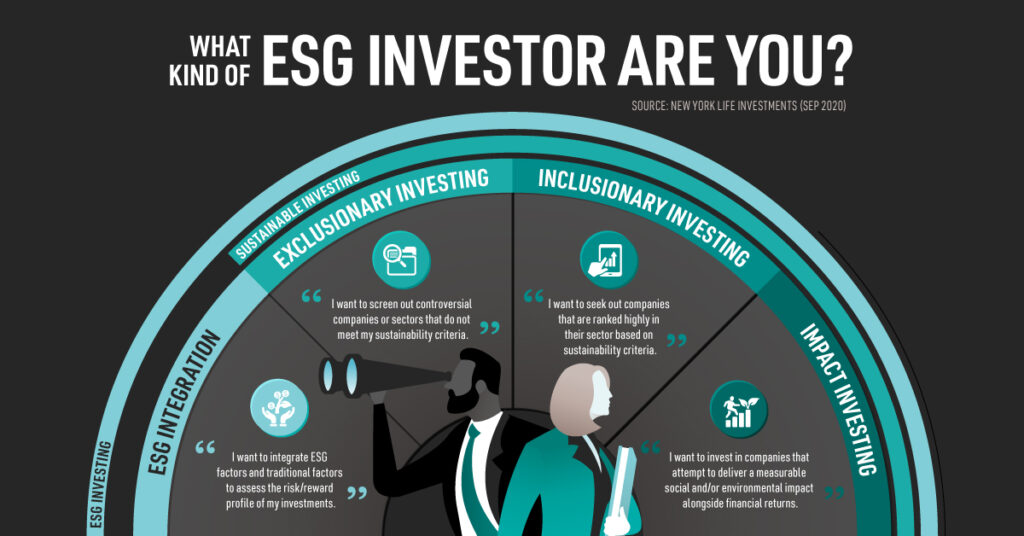
Investing based on Environmental, Social, and Governance (ESG) criteria has gained significant traction in recent years as investors increasingly prioritize sustainability and ethical practices. Impact investing, on the other hand, focuses on generating positive social and environmental impact alongside financial returns.
Understanding these concepts is crucial for aligning investment strategies with personal values and long-term goals.
ESG Criteria in Investing
ESG criteria are used to evaluate companies based on their environmental practices, social responsibility, and governance structure. Companies that score well on these criteria are considered to be more sustainable and ethical in their operations. Investors who incorporate ESG factors into their decision-making process aim to support companies that are making a positive impact on the world while also potentially reducing risk in their investment portfolios.
- Environmental criteria may include a company's carbon footprint, energy efficiency, waste management practices, and commitment to renewable energy sources.
- Social criteria assess a company's relationships with employees, customers, suppliers, and the communities in which they operate. This may involve considerations such as diversity and inclusion, labor practices, human rights, and community engagement.
- Governance criteria focus on how a company is managed and governed, including issues such as board diversity, executive compensation, shareholder rights, and transparency in financial reporting.
Impact Investing and Its Significance
Impact investing goes beyond ESG criteria by actively seeking to generate measurable positive social or environmental impact in addition to financial returns. This approach allows investors to direct capital towards companies, organizations, or projects that are addressing pressing global challenges, such as climate change, poverty, healthcare access, or education.
Impact investing aims to "do well by doing good," demonstrating that financial success and positive impact are not mutually exclusive goals.
- Impact investors may support initiatives such as affordable housing developments, clean energy projects, sustainable agriculture practices, or social enterprises that create jobs for marginalized communities.
- By measuring and reporting on the social or environmental outcomes of their investments, impact investors can track the real-world impact of their capital allocation and hold companies accountable for their stated goals.
Comparison with Traditional Investing
Traditional investing typically focuses solely on financial returns without considering the broader impact of investment decisions. ESG and impact investing approaches, on the other hand, integrate sustainability and social responsibility factors into the investment process, aiming to generate positive outcomes for both investors and society as a whole.
- While traditional investing may prioritize short-term profits, ESG and impact investing take a long-term view by considering the sustainability and resilience of companies in the face of environmental and social challenges.
- ESG and impact investing strategies are increasingly recognized for their potential to create value, manage risks, and drive innovation by encouraging companies to adopt more sustainable and ethical practices.
Finding Advisors Near Me
Finding a wealth management advisor specializing in ESG and impact investing in your local area can be a crucial step towards aligning your investments with your values. Here are some strategies for locating advisors near you and the benefits of having a face-to-face meeting.When looking for advisors near you, consider the following strategies:
Strategies for Locating Advisors Near Me
- Ask for recommendations from friends, family, or colleagues who share your interest in ESG and impact investing.
- Search online directories or platforms that specifically list advisors specializing in sustainable and responsible investing.
- Attend local networking events or seminars focused on ESG and impact investing to connect with potential advisors.
- Contact local financial institutions or advisory firms to inquire about advisors who offer ESG and impact investing services.
Having a face-to-face meeting with an advisor can provide several advantages, such as:
Advantages of Face-to-Face Meetings
- Building a personal connection and rapport with your advisor, which can enhance trust and communication.
- Discussing your values, goals, and concerns in a more detailed and nuanced manner.
- Getting a better sense of the advisor's expertise, approach, and commitment to ESG and impact investing.
- Receiving personalized recommendations and strategies tailored to your specific financial situation and values.
Proximity can also play a significant role in enhancing the advisor-client relationship:
Enhancing Advisor-Client Relationship through Proximity
- Convenience in scheduling meetings and consultations, leading to more frequent and productive interactions.
- Opportunities for in-person reviews of investment portfolios and updates on ESG performance.
- Greater accessibility for quick discussions or urgent matters that may arise in your financial journey.
- Building a stronger sense of community and collaboration towards achieving your sustainable investment goals.
Evaluating Advisor Expertise
When seeking a wealth management advisor specializing in ESG and impact investing, it is crucial to evaluate their expertise in these areas to ensure they can effectively meet your financial goals and values.
Assessing Advisor's Expertise
- Review their track record: Inquire about their experience with ESG and impact investing, including past projects and client success stories.
- Evaluate their knowledge: Ask about their understanding of sustainable investing principles, industry trends, and relevant regulations.
- Check for relevant certifications: Look for credentials such as CFA (Chartered Financial Analyst) or CFP (Certified Financial Planner) with a focus on ESG and impact investing.
Questions to Ask Potential Advisors
- Can you provide examples of successful ESG and impact investing strategies you have implemented for clients?
- How do you stay informed about the latest developments in sustainable investing?
- What certifications or qualifications do you have related to ESG and impact investing?
Importance of Certifications and Qualifications
Having certifications and qualifications in ESG and impact investing demonstrates an advisor's commitment to these areas and signifies their expertise. Look for advisors who hold relevant credentials to ensure they have the knowledge and skills needed to help you make informed investment decisions aligned with your values.
Commonly Asked Questions
How important is it to find a wealth management advisor specializing in ESG and impact investing?
It is crucial to find an advisor with expertise in these areas as they can help align your investments with your values and goals, leading to sustainable growth.
What are some strategies for locating wealth management advisors near me specializing in ESG and impact investing?
You can start by asking for referrals from friends or colleagues, researching online directories, or attending investment seminars in your local area.
What certifications or qualifications should I look for in a wealth management advisor specializing in ESG and impact investing?
Look for certifications such as CFA (Chartered Financial Analyst) or CFP (Certified Financial Planner) and qualifications in sustainable finance or impact investing.